
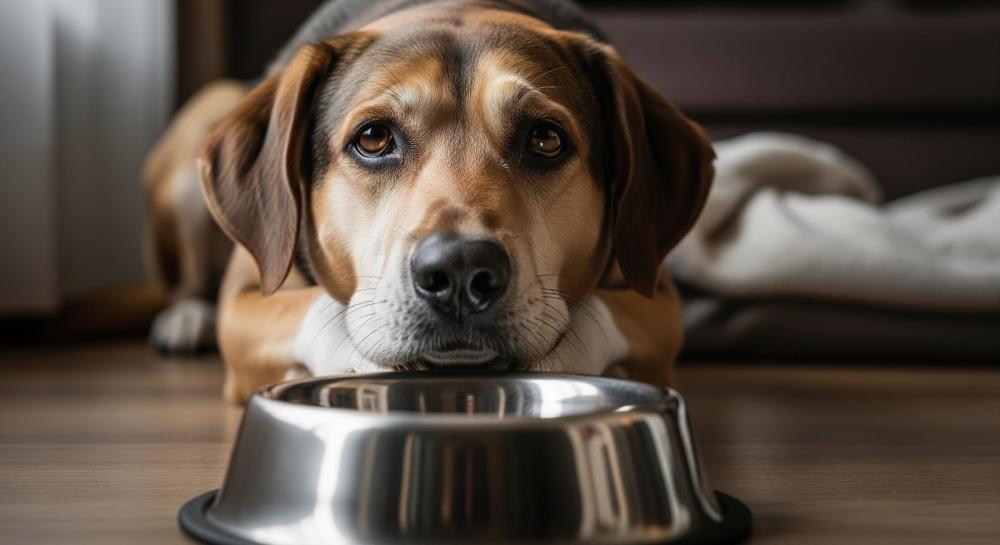
Just like humans, dogs can sometimes experience a loss of appetite. Pet parents in Saudi Arabia may occasionally notice that their canine companion is leaving their food untouched or refusing to eat altogether. This sudden change can be incredibly worrying and warrants immediate investigation; quite often, a dog’s refusal to eat is an underlying sign of a physical health issue or psychological distress that requires close monitoring and expert veterinary care.
Loss of appetite in dogs is generally categorized into two main types: True Anorexia and Pseudo-Anorexia. Understanding the crucial differences between these two conditions helps you, as a pet owner, better assess your furry friend's health and make an informed decision about when to visit the vet.
1. What is True Anorexia in Dogs?
True anorexia occurs when a dog completely loses the psychological desire to eat. They display absolutely no interest in food, even if you offer them their absolute favorite wet food or gourmet treats (Treats).
In most cases, true anorexia is linked to a systemic illness or an internal medical condition affecting the body, such as:
- Severe pain or a spike in body temperature (Fever).
- Nausea or gastrointestinal discomfort.
- Organ dysfunction or underlying chronic disease (such as liver, kidney, or digestive tract issues).
⚠️ Crucial Note: If your dog completely refuses food for more than 24 to 48 hours, do not ignore it. Take them to a specialized veterinarian immediately for an early diagnosis.
2. What is Pseudo-Anorexia in Dogs?
Pseudo-anorexia is entirely different. In this case, the dog actually wants to eat, feels hungry, and will approach the food bowl or sniff the kibble—but they quickly back away or find themselves physically unable to chew or swallow.
This implies the problem isn't a lack of appetite, but rather a physical inability to consume food. Common culprits include:
- Oral pain, broken teeth, or severe periodontal (gum) disease.
- A foreign object or a painful lesion lodged in the mouth, throat, or jaw.
- Swallowing difficulties or throat inflammation.
With pseudo-anorexia, you might notice your dog dropping food from their mouth, whining while trying to chew, or walking away from the bowl in frustration despite being hungry.
Key Symptoms of Loss of Appetite in Dogs
You can easily detect if your dog is struggling by keeping a close eye out for these warning signs:
- A noticeable drop in daily food consumption compared to their normal baseline.
- Complete refusal of dry kibble, wet food, or training treats.
- Trying to pick up food but dropping it or showing visible signs of discomfort.
- Gradual or rapid weight loss over a short period.
- Intermittent vomiting, lethargy, weakness, and a sudden drop in their usual energy levels.
Common Causes of Appetite Loss in Dogs
The underlying triggers for a dog refusing to eat can be broken down into physical, environmental, and behavioral factors:
A. Gastrointestinal & Pancreatic Diseases
Conditions like gastritis, ulcers, internal parasites (worms), or intestinal blockages cause severe abdominal pain and nausea, making dogs completely avert food. Additionally, pancreatitis induces sharp stomach pain, vomiting, and diarrhea, leading to an immediate loss of appetite.
B. Dental Problems & Affected Sense of Smell
Inflamed gums and tartar buildup make chewing extremely painful. Furthermore, dogs rely heavily on their sense of smell to stimulate their appetite. Nasal infections or congestion prevent them from smelling their food, making it seem unappealing.
C. Systemic Illnesses & Immune Disorders
Deficiencies in essential nutrients (like iron/anemia) or autoimmune diseases cause generalized weakness and fever, which naturally suppresses a dog's drive to eat.
D. Medication Side Effects
Certain veterinary medications or antibiotics can cause temporary nausea or reduced appetite as a side effect. This usually subsides once the treatment course is finished.
E. Environmental Changes & Heatwaves
- Stress and Anxiety: Moving to a new home in Riyadh, introducing a new pet, or loud noises can trigger stress, temporarily cutting off their appetite.
- Motion Sickness: Some dogs suffer from car sickness, making them refuse food right before or immediately after a trip.
- The Summer Heat: As summer temperatures soar in Riyadh, dogs naturally reduce their heavy calorie intake and might turn away from large meals.
Safe Tips to Boost Your Dog’s Appetite at Home
If the loss of appetite is mild, temporary, or just a case of picky eating, you can try these practical steps:
- Establish a Routine: Set fixed feeding times. Leave the bowl down for 15–20 minutes, and if they don't eat, pick it up until the next scheduled meal. Avoid leaving food out all day (free-feeding).
- Create a Calm Dining Area: Serve meals in a quiet, low-traffic area where your dog feels completely safe and relaxed.
- Warm Up Their Meals: Warm up wet food slightly to release its aromatic scents, or add a splash of low-sodium, unseasoned bone broth or boiled shredded chicken over their dry kibble. You can shop for highly palatable, premium toppers at Alefah Boutique.
- Portion Control: Divide their daily food into smaller, more frequent meals throughout the day, especially during hot summer days or when recovering from an upset stomach.
- Keep Bowls Spotless: Wash food and water bowls daily. Lingering stale odors can easily turn a dog off their food.
When to Contact a Vet Immediately
If your dog’s loss of appetite persists for more than 24 to 48 hours, or if you are dealing with a young puppy or a senior dog, seek veterinary assistance immediately. This is especially urgent if the fasting is accompanied by constant vomiting, diarrhea, breathing difficulties, or severe lethargy.
🚫 Medical Warning: Never administer human medications, over-the-counter pain relievers, or unprescribed appetite stimulants to your pet. Doing so can be highly toxic. The primary root cause must always be diagnosed by a professional first.
At Alefah Advanced Veterinary Clinic in Riyadh, our specialized veterinary team is always ready to provide top-tier diagnostics, bloodwork, and medical care to restore your companion's vitality.
📞 Contact Alefah Team Today:
- Call Us: 0112637144
- WhatsApp Us: Reach out directly to Alefah Vet Clinic Riyadh via WhatsApp.
- Shop Premium Care: Visit Alefah Boutique online to explore our wide collection of veterinary-approved wellness supplements, healthy foods, and toppers designed to keep your loyal friend thriving.